About
The data ocean problem
Teachers and school leaders often end up with so much data about their students that it becomes impossible to know where to focus. Attendance, formative checks, summative results, wellbeing surveys, NAPLAN, internal tracking — the volume alone can be paralysing.
EDIA doesn’t add another dataset to the pile. Instead, we work with you to clarify the deeper question you’re actually trying to answer, then sift through the data you already have to surface practical, workable actions.
Partnership, not prescription
We don’t assume your school is the same as any other, and we will never tell you what to do — because you understand your school community far better than we ever could.
What we do instead is facilitate honest dialogue. We help surface multiple genuinely useful pathways, then support you as you decide which one to walk and see it through. Every recommendation we make is a human judgement, grounded in your specific context — not a template applied from somewhere else.
Why the free tool exists
Our free Assessment / Learning Reflection tool isn’t a lead magnet — it’s the same philosophy in miniature. It gives individual students and classroom teachers a tangible, honest snapshot of current skills and competencies, so they can set short-term, achievable, personal goals themselves. Self-regulation starts with genuine reflection, and that shouldn’t sit behind a paywall.
Everything else we offer — assessment design review, in-person workshops, 1-to-1 mentoring — builds on that same idea, just at greater depth and with more sustained partnership.
A solo practice, by design
EDIA is a solo consultancy. That’s a deliberate choice, not a limitation: every school we work with gets direct access to the person actually doing the thinking, not a rotating account team or a diluted framework. It means we work with a smaller number of schools at any one time, and we’re able to give each of them real, sustained attention.
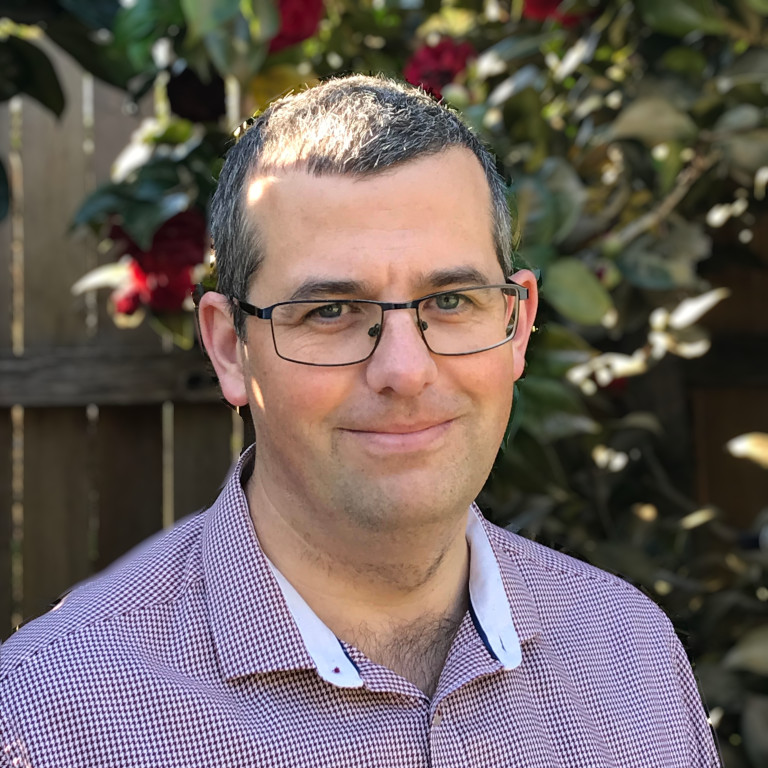
Dr JohnPaul Kennedy
Founder of EDIA — former Head of Science, now education researcher
I spent fifteen years teaching in classrooms across the UK and Australia, including nine years as a Head of Science, before moving into education research full-time. I hold a PhD in science education and now lecture in the Complexity of Education at Adelaide University, where much of my work looks at how schools can make better sense of the data they already collect. EDIA grew out of that same question, asked from the other side of the fence: how do we turn the data teachers already have into something genuinely useful, without adding to their workload? I still think of myself first as a teacher who happens to also do research — and that's the lens I bring to every school I work with.